
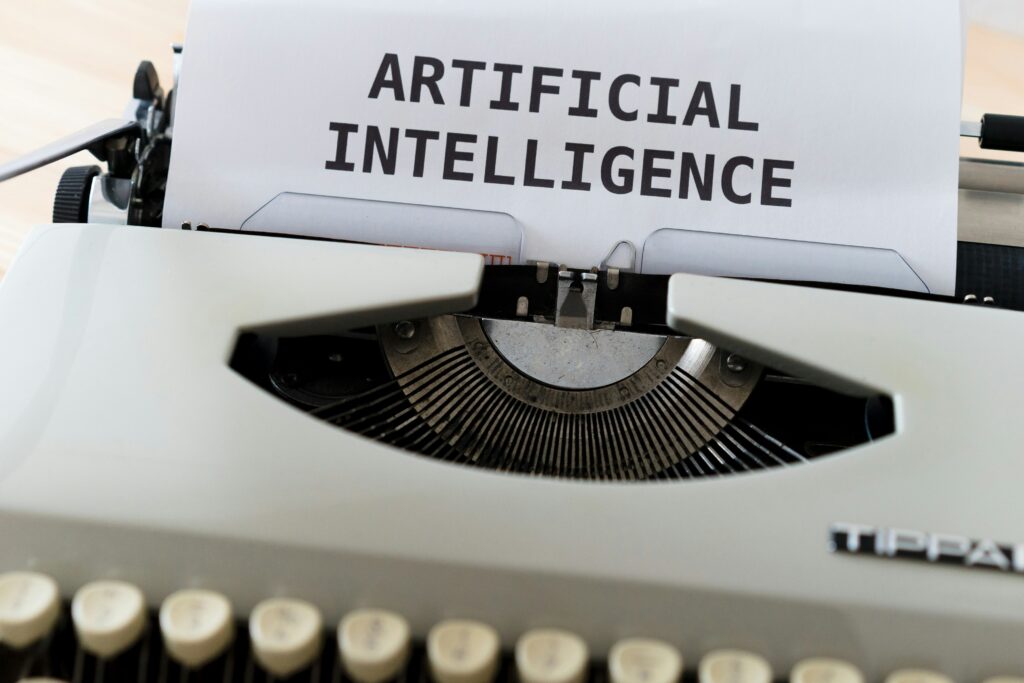
Journalism is a profession under increasing pressure. Newsrooms are cutting staff numbers. A single journalist today covers what three used to. Deadlines are shorter. And audiences demand speed and depth simultaneously.
AI didn’t come to write the story instead of the journalist — it came to lighten the burden so the journalist can focus on what no tool can do: reaching sources, building trust, understanding context, and delivering truth in a way that makes an impact.
Perplexity AI — For Accelerated Research
Journalistic research consumes enormous time. Perplexity summarizes information from multiple sources while citing verifiable references. Instead of reading twenty articles to get a general picture of a topic, you get a comprehensive summary in minutes then go to the original sources to dig deeper.
Important: Perplexity is a starting point, not an endpoint. The journalist always verifies information from its original sources.
Claude — For Analyzing Long Documents
Investigative journalism sometimes means reviewing thousands of pages of documents. Claude can read a long document and summarize its most important points, extract key figures and dates, and answer specific questions about its content.
“In this 200-page financial report, find any figures related to government contracts and compare them with figures in the previous report.”
What used to take days now takes hours.
Otter.ai — For Transcribing Interviews
Every journalist knows the joy of sitting for hours transcribing an interview recording. Otter.ai does this automatically with very acceptable accuracy. You review the transcribed text and correct the few errors rather than typing from scratch.
Practical tip: use it for English interviews or formal Arabic — regional dialects increase the error rate.
Datawrapper and Tableau — For Data Journalism
Raw numerical data doesn’t tell a story. Datawrapper turns it into professional interactive charts that can be embedded in articles. No programming knowledge needed — enter the data, choose the chart type, and customize the colors.
For journalists working with large complex datasets, Tableau is more powerful and comprehensive though it requires a longer learning curve.
Google Pinpoint — For Searching Leaked Documents
A Google tool designed specifically for journalists. Upload large collections of documents — PDFs, images, audio recordings — and search them using plain language. A golden tool for investigative journalism dealing with leaked or archival documents.
ChatGPT — For Organizing Ideas and Building Story Angles
Before writing, the journalist needs clarity on the angle they’ll approach the topic from. ChatGPT helps with:
“I have this information about case [X]. Suggest five different angles I can use to approach this topic, identifying which has the strongest impact on the reader.”
This doesn’t think instead of the journalist — it expands their thinking horizon.
Grammarly — For English Language Editing
For journalists who write in English, Grammarly corrects errors and improves style in real time. In a tight-deadline newsroom, this saves a complete editing round.
The Red Line Journalists Don’t Cross
Fact-checking is never delegated to AI. The tool assists with research but verification remains the journalist’s responsibility.
Never publish information produced by AI without verifying its original source. AI models make mistakes and hallucinate — in journalism that mistake carries professional and legal consequences.
The journalist’s voice and editorial judgment remain the core of the profession. AI is a tool in the hands of a good journalist — not a replacement for good journalism.