
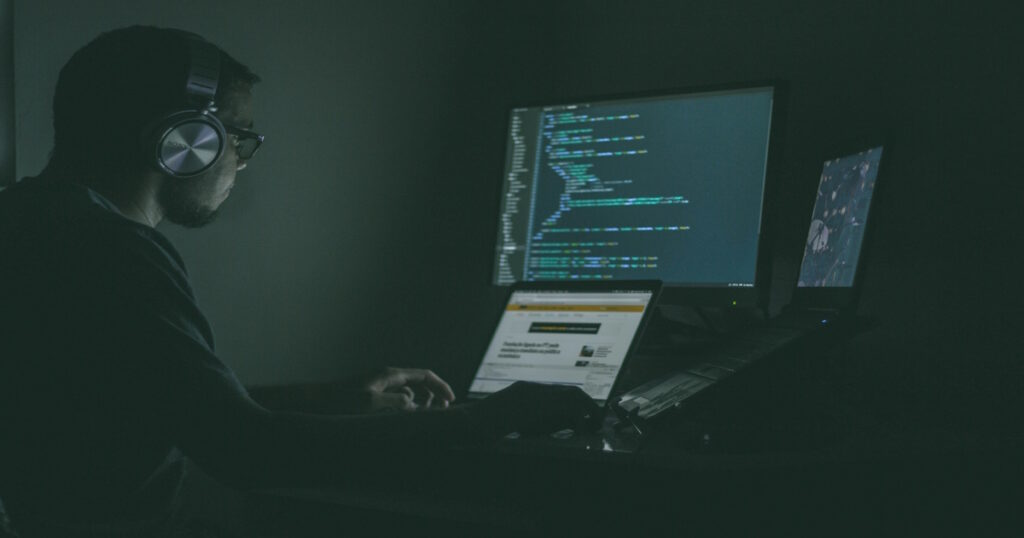
Every 39 seconds a cyberattack occurs somewhere on the planet. Cybercrime costs the global economy more than $8 trillion annually — a figure that exceeds the GDP of most countries in the world. And the frightening part is that attackers are using AI too.
This is no longer a battle between human and human. It’s a battle between algorithms and algorithms. The side that doesn’t use AI in its defense is fighting this battle with yesterday’s tools.
How AI is Used in Cyber Defense
Real-time threat detection:
Traditional cybersecurity systems work by signature — they memorize the signature of every known attack and alert when they recognize it. The problem is that new attacks don’t have a signature yet.
AI works by patterns, not signatures. It learns what normal network traffic looks like, then alerts to any deviation from this pattern — even if the attack is new and has never been seen before.
Tools like Darktrace and Vectra AI use this approach and have become standard in many large organizations.
User behavioral analysis:
Many attacks come from inside the organization — whether from a disgruntled employee or a compromised account. UEBA systems analyze every user’s behavior and alert when they act unusually.
If an employee normally works from 9 to 5 from a specific location, then suddenly logs in at 3am from a different country and starts downloading large amounts of data — the AI alerts immediately.
Automatic incident response:
In cyberattacks, time is measured in seconds. The difference between a response in 30 seconds and a response in 30 minutes may mean the difference between a contained attack and a complete disaster.
AI systems can automatically isolate compromised devices, block suspicious traffic, and alert the team — all in seconds without human intervention.
AI in Financial Fraud Detection
Banks and electronic payment platforms use AI extensively to detect fraud. Every financial transaction passes through AI models that analyze hundreds of variables in milliseconds:
Does this geographic location make sense for this account?
Does this amount fit this customer’s spending pattern?
Are there multiple transactions in a very short period?
Visa reports that its AI system prevents more than $40 billion in fraud annually.
The Dark Side — AI in the Hands of Attackers
This is what makes cybersecurity more complex than ever. Attackers use AI too:
Audio and visual deepfakes: they create fake audio or video clips of executives to convince employees to transfer money or reveal confidential information.
Sophisticated phishing messages: AI generates highly personalized phishing messages — knowing your name, job, and perhaps the last project you’re working on — instead of the generic messages everyone recognizes.
Automated vulnerability discovery: AI-powered tools automatically search code for security vulnerabilities — something that used to take specialists months.
What This Means for the Average Company
Not every company needs a complex and expensive Darktrace system. But every company needs:
Training employees to recognize phishing — especially AI-enhanced versions.
Enabling two-factor authentication on all critical accounts.
Using simple AI-powered security tools like Microsoft Defender and CrowdStrike Falcon Go.
Having an incident response plan before an attack happens, not after.
The Future of Cybersecurity
The race between attackers and defenders will never end. But AI is changing the nature of this race — making it faster, more complex, and less predictable.
The organization that invests in defensive AI today isn’t buying complete security — nothing grants complete security. But it makes itself a considerably harder target than the effort is worth for an attacker looking for easier prey.